


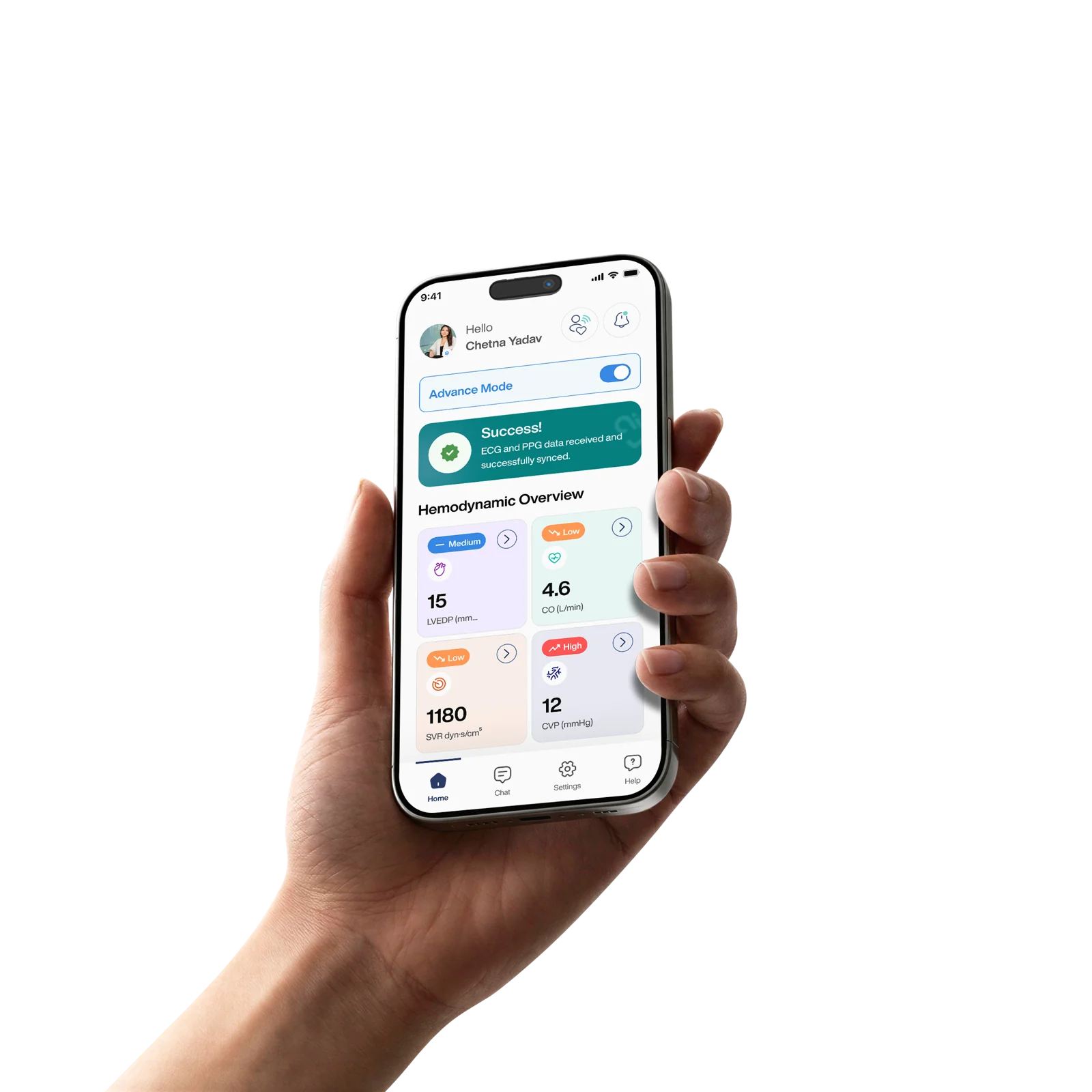
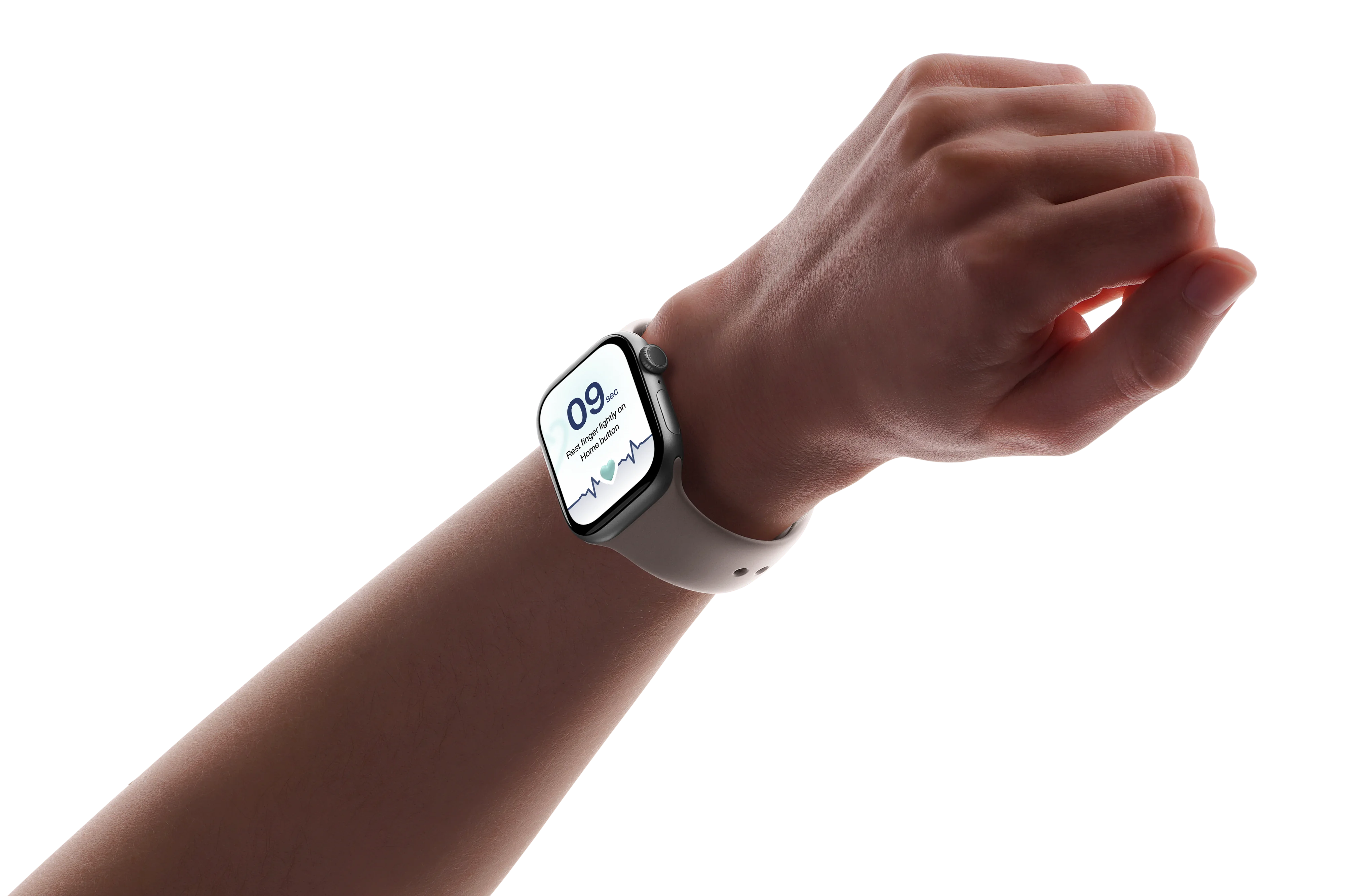
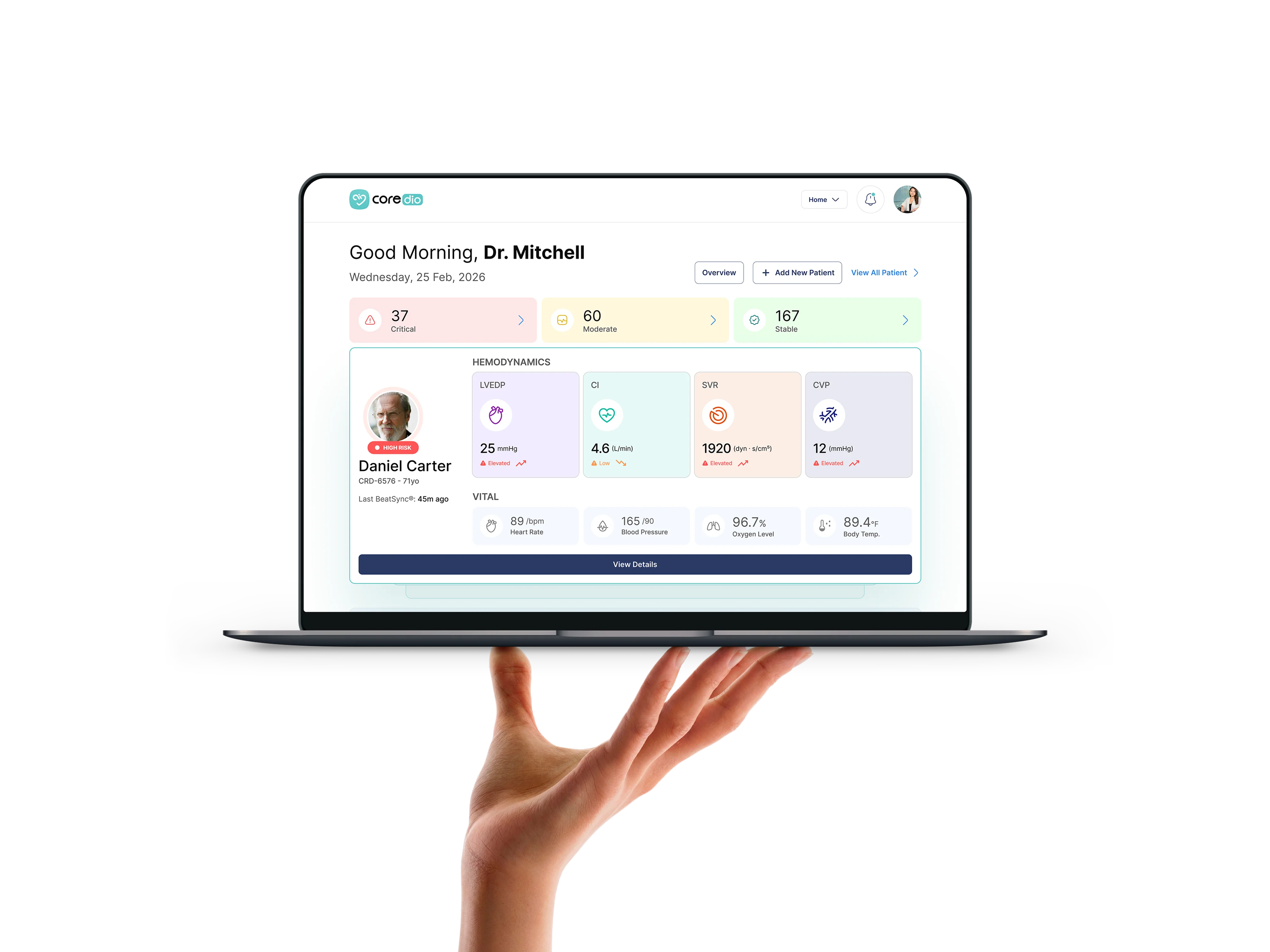

Coredio estimates the pressures and blood flow inside the heart from wearables, using AI and a digital twin of each patient.

Breakthrough Device Designation
Granted
March
2026


What Coredio is
Coredio CPSE, the Cardiac Performance Simulation Engine, builds a digital twin of each patient’s heart and circulation,
turning everyday wearable data into the heart measurements clinicians use to guide treatment. No implant. No procedure..
- Physics-based digital twin
- Trained on clinical data
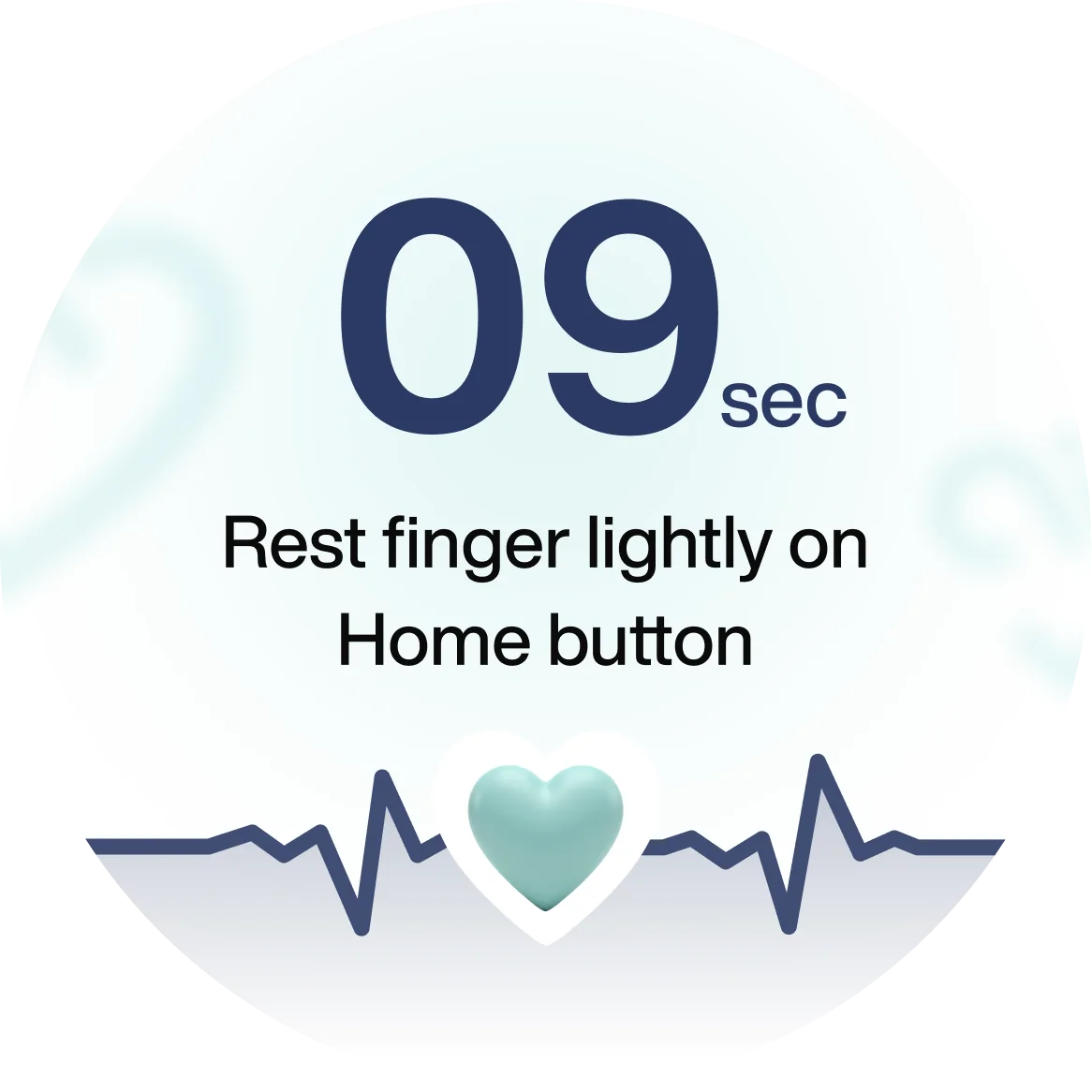
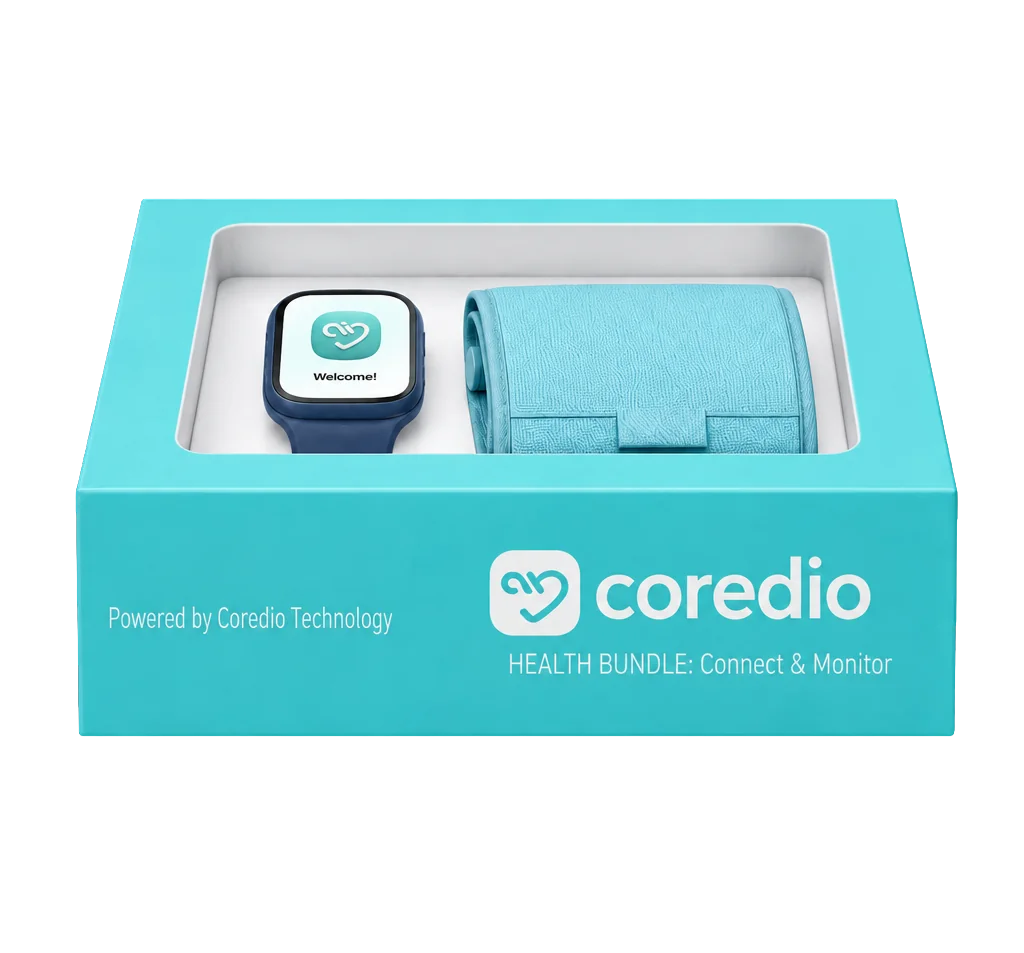
- Watch and cuff inputs
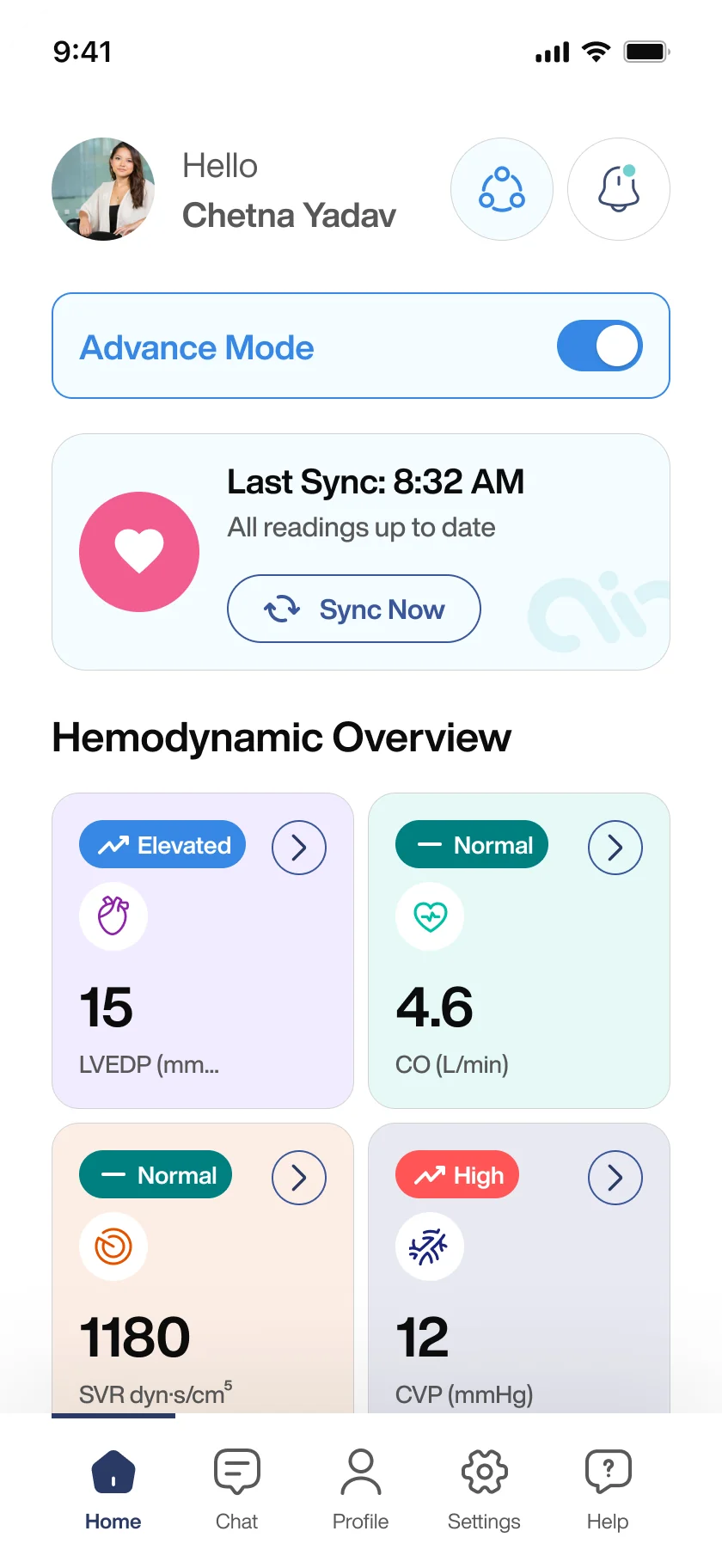
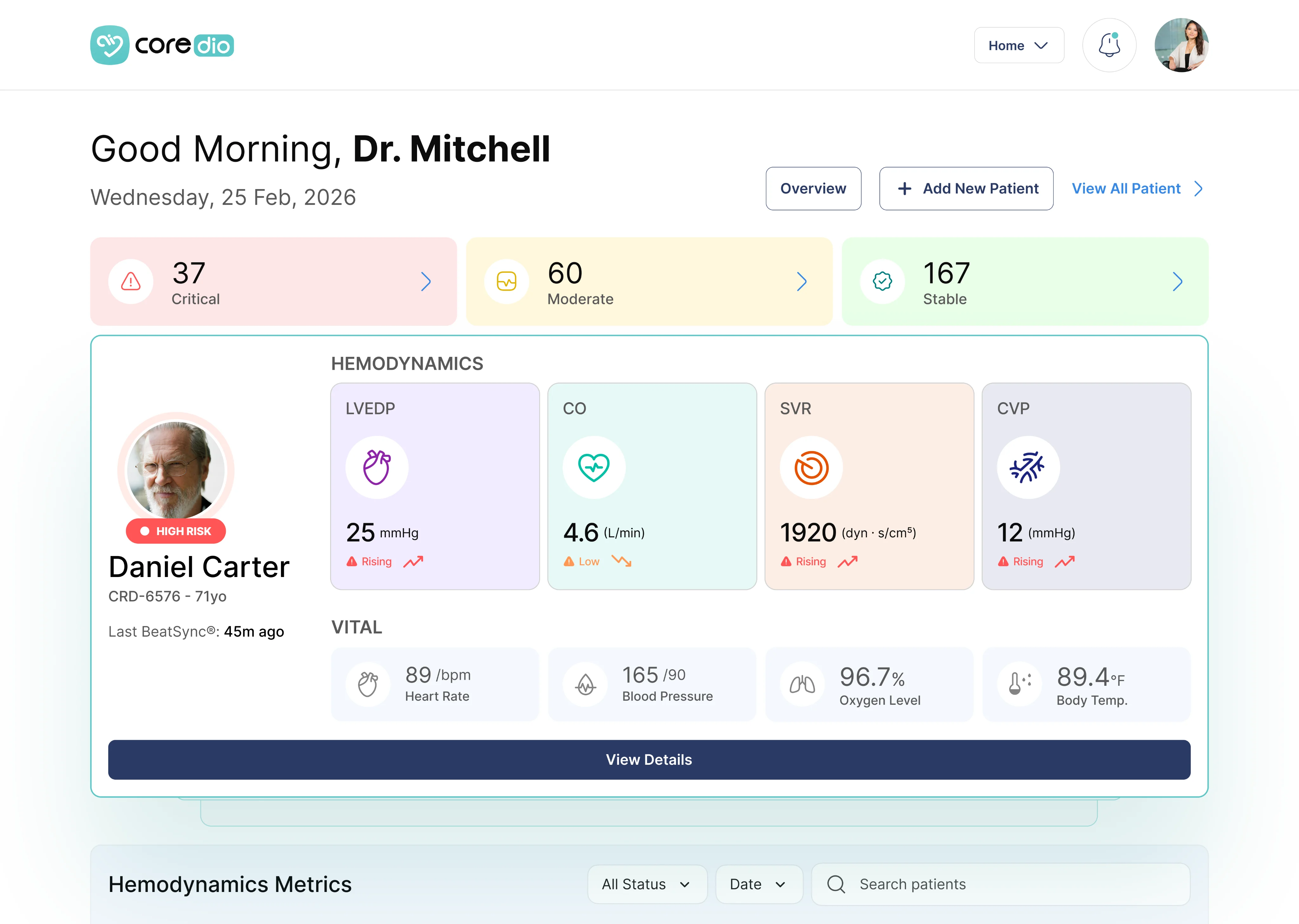
- LVEDP, CVP, CI, SVR


The challenge with the current standard of care
Heart monitoring today is fragmented, costly, and invasive



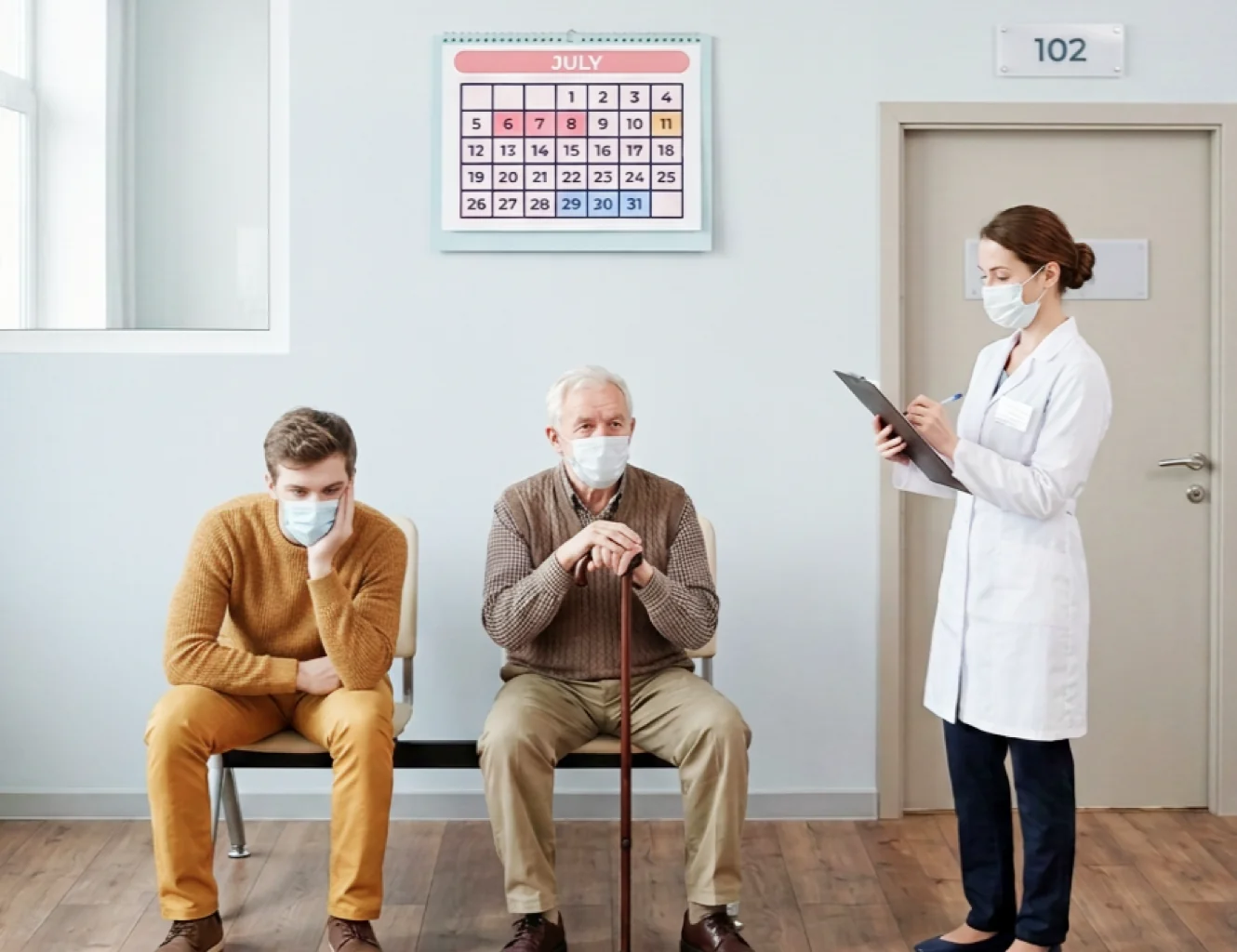
Too little monitoring
Heart failure care still has no good standard for day-to-day monitoring.
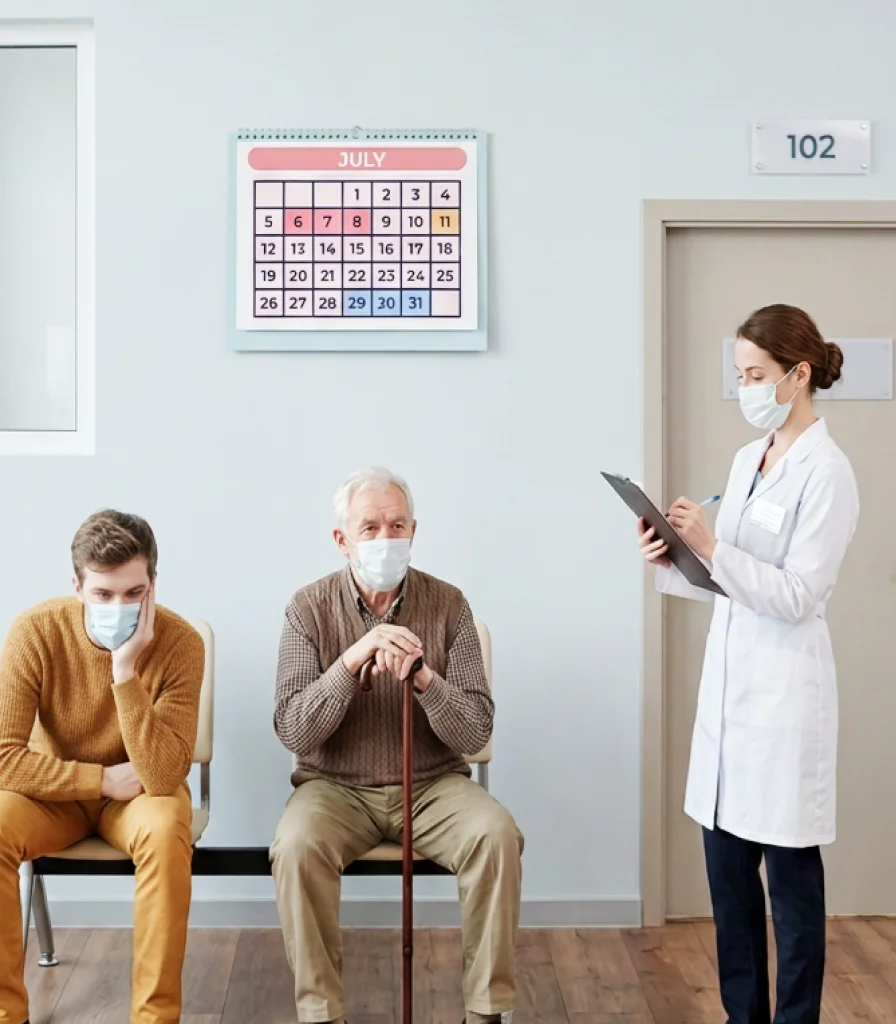

Limited access between visits
Without an echo or cath, care teams can't see how the heart is really doing.
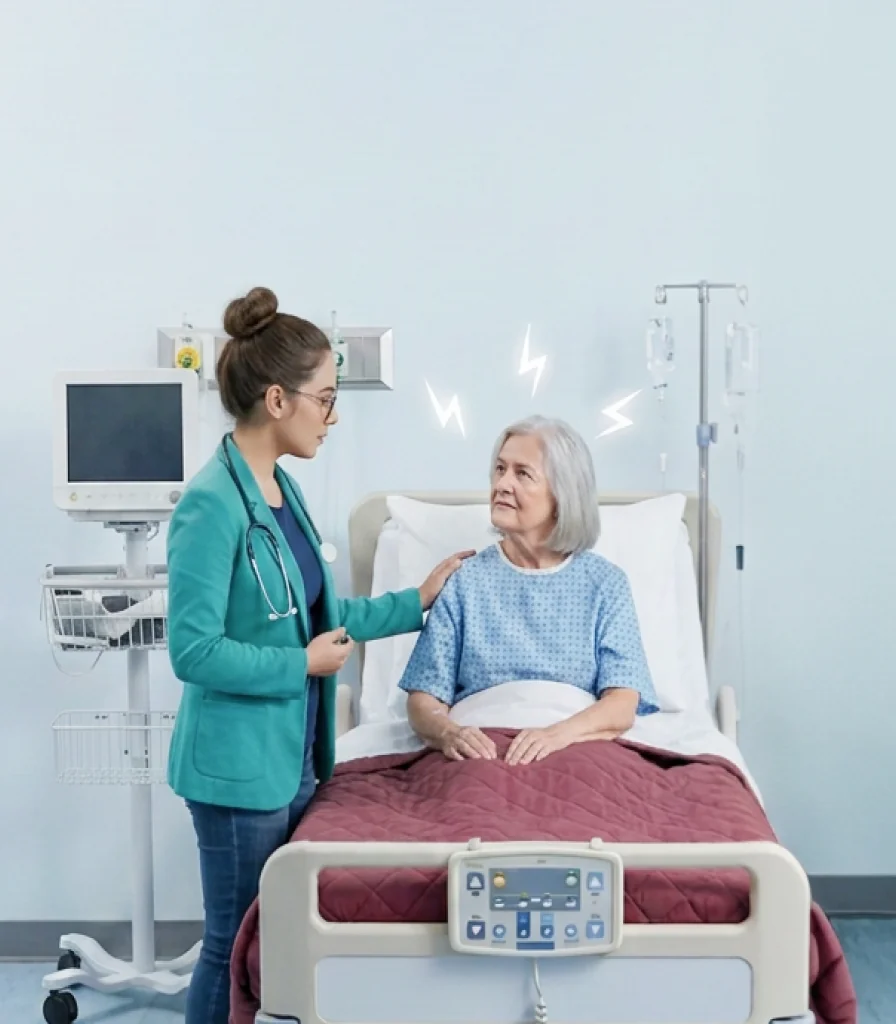


Invasive and costly
Getting accurate data at home today means an expensive implant.
Our platform
Personalized heart monitoring with no implant, built on AI, digital twins, and everyday wearables.


Patient eligibility
Quick personalization
At-home checks

Data collection
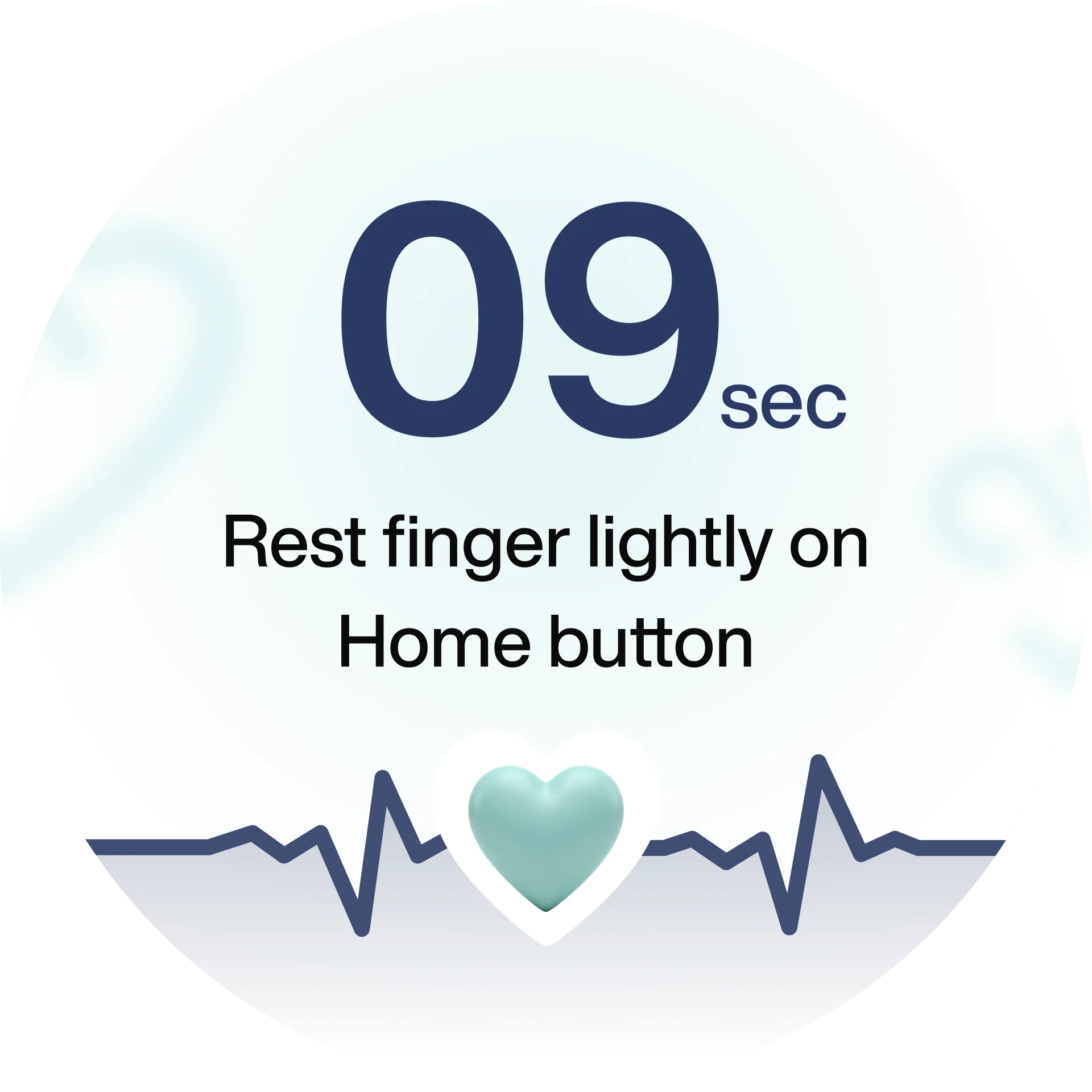
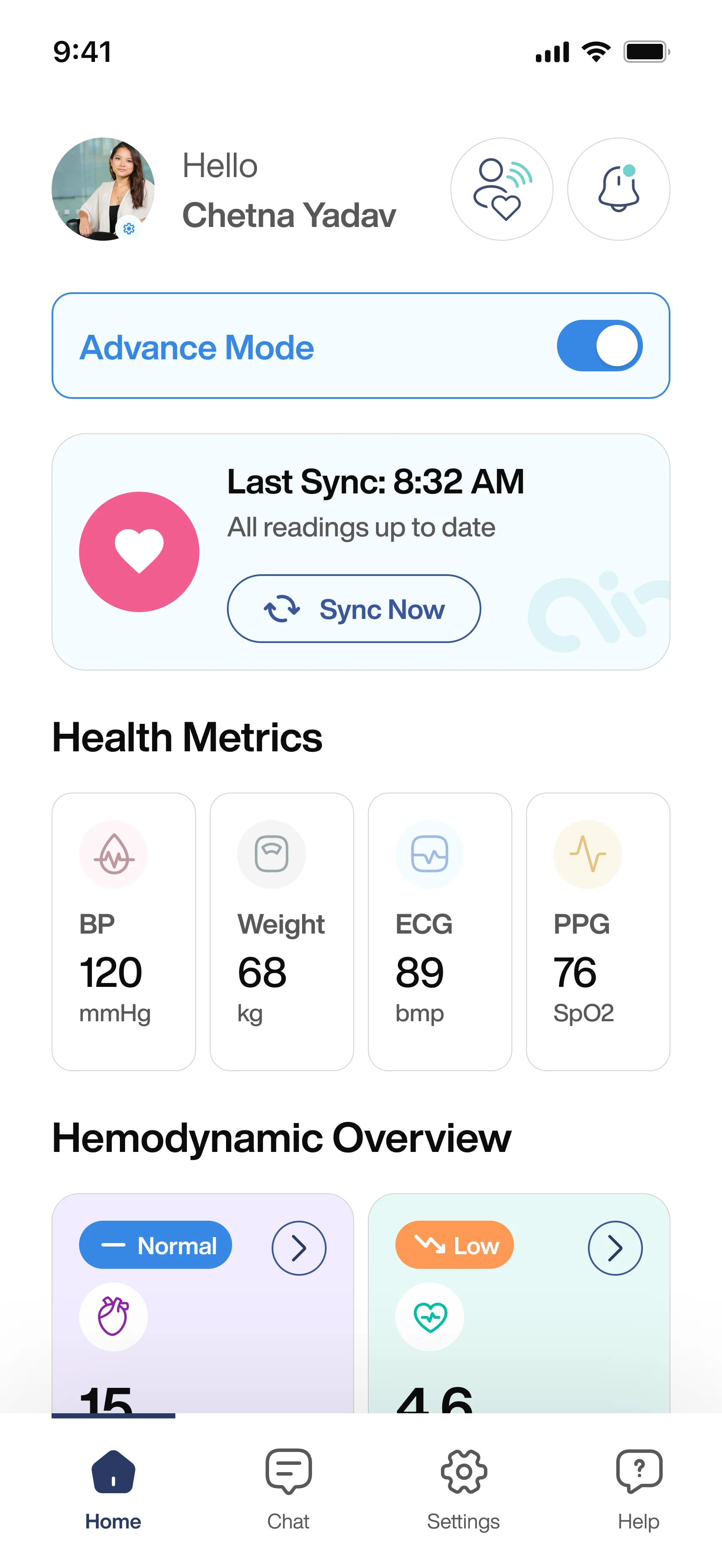
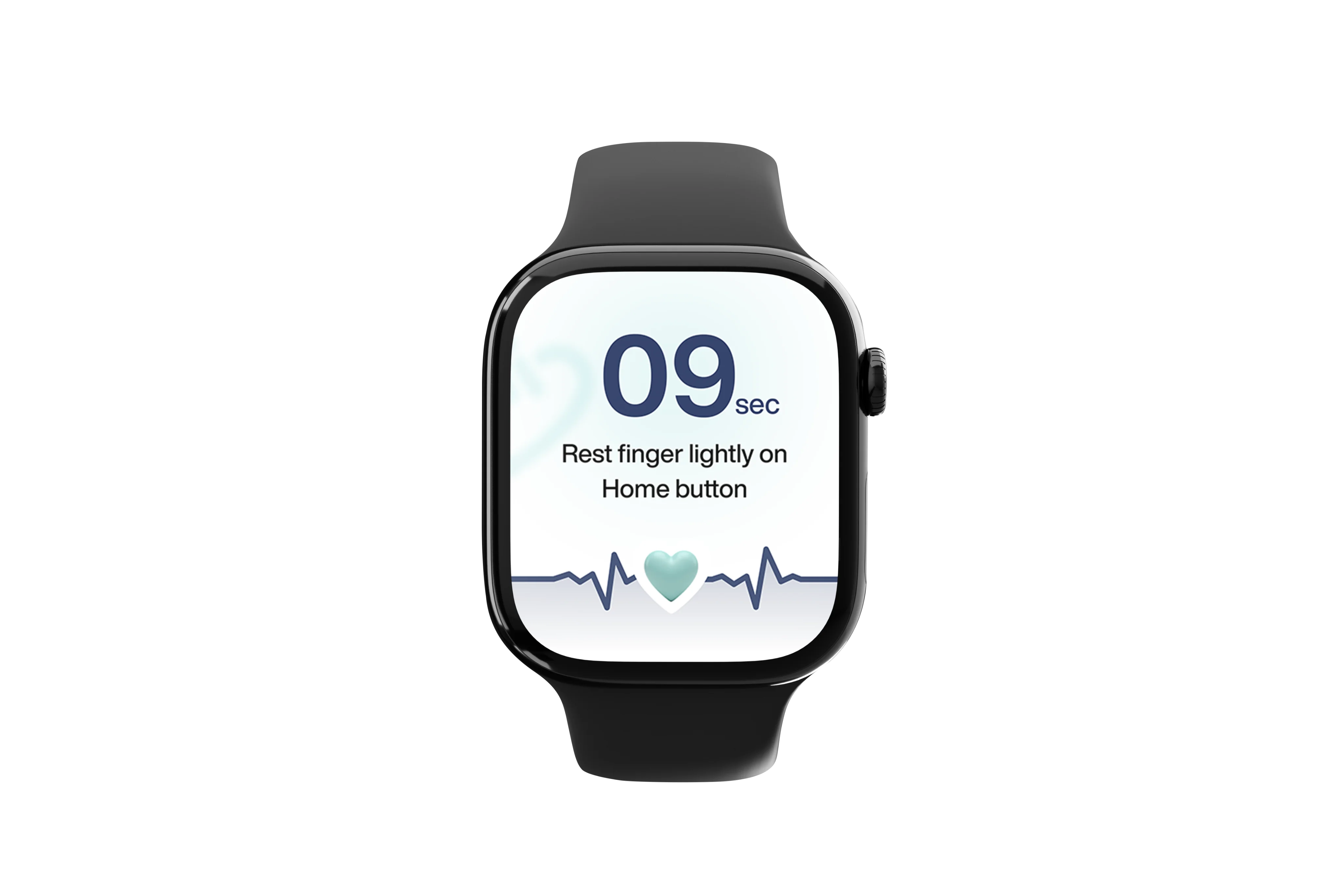
Live heart data from a watch and cuff.



Clear insight
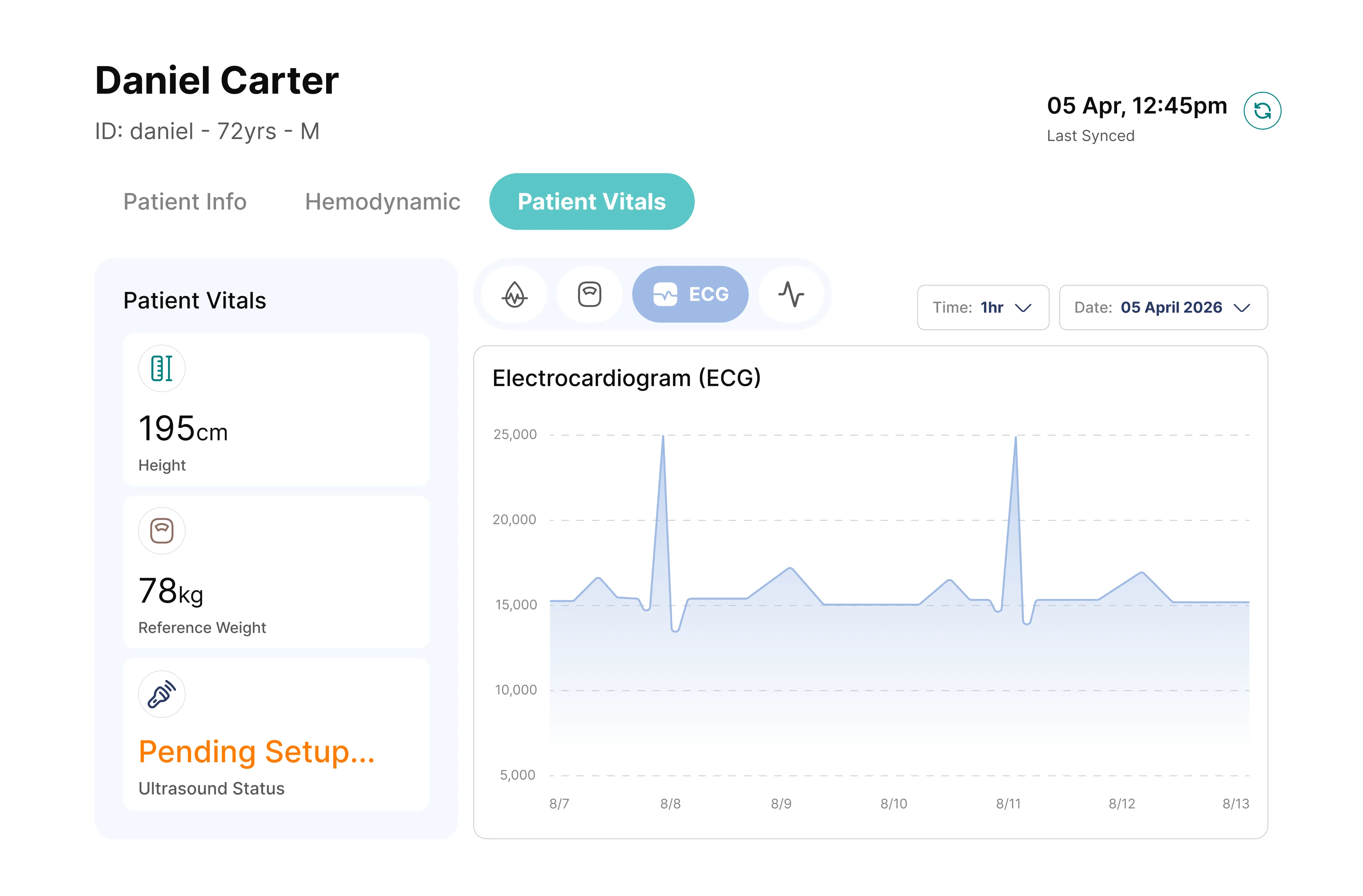
Clear analysis that helps care teams decide what to do next.

CPSE Algorithm
Turns heart data into numbers clinicians can use.



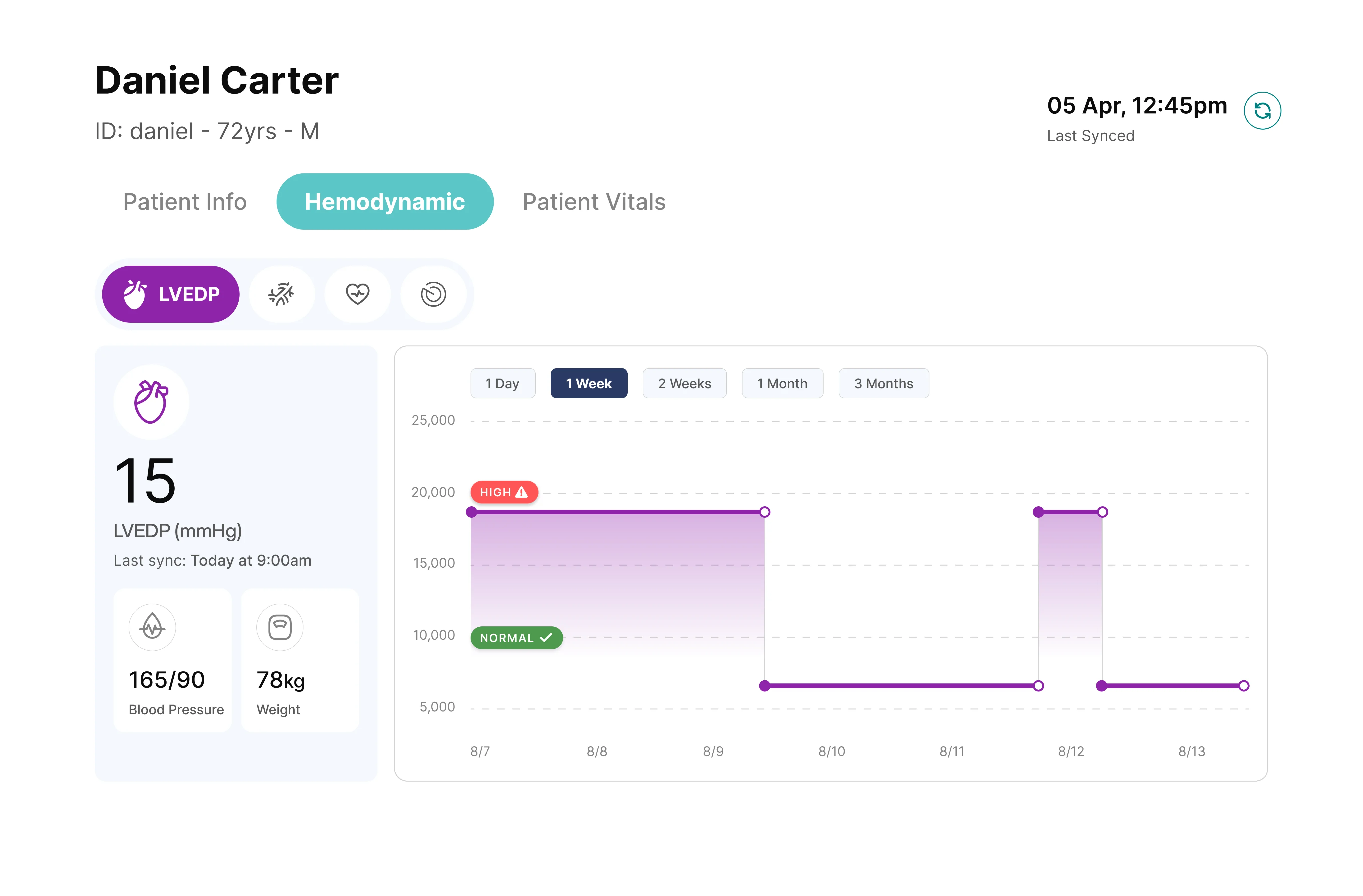
Hemodynamic status
Real-time blood flow & vitals.
Data collection
Live heart data from a watch and cuff.


Clear insight
Clear analysis that helps care teams decide what to do next.
CPSE Algorithm
Turns heart data into numbers clinicians can use.



Hemodynamic status
Real-time blood flow & vitals.
Clinical Metrics & Decision Support
Four metrics explain what the heart is doing
CI = cardiac output ÷ body surface area
Thresholds support clinician review; treatment follows the full clinical picture.
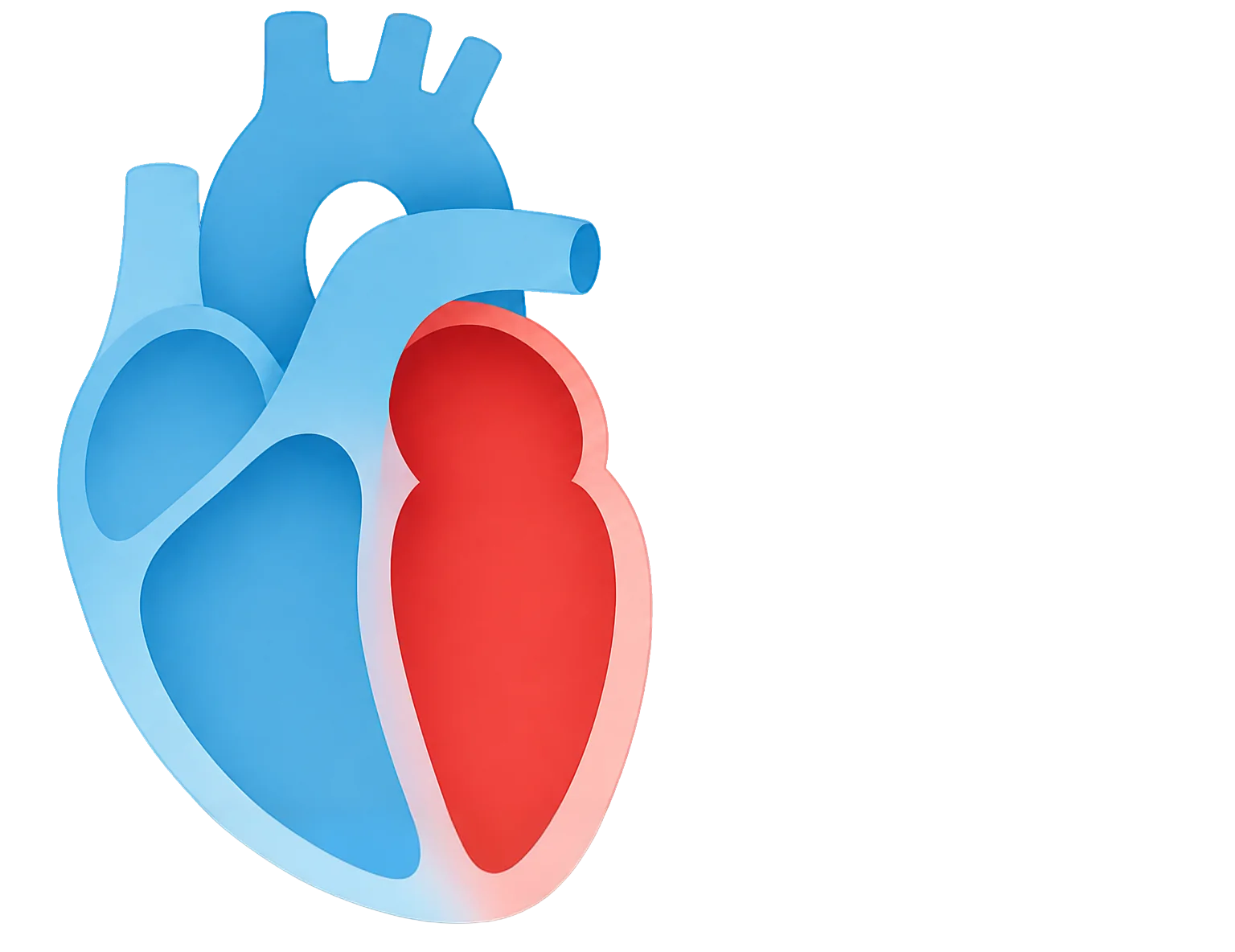


CVP
8 mmHg
Right-heart filling pressure
SVR
1,500 dyn·s·cm⁻⁵
Resistance the heart pumps against

LVEDP
18 mmHg
Left-heart filling pressure

CI
2.2 L/min/m²
Blood flow, indexed to body size




How monitoring works
A simple workflow that fits into the care teams already provide


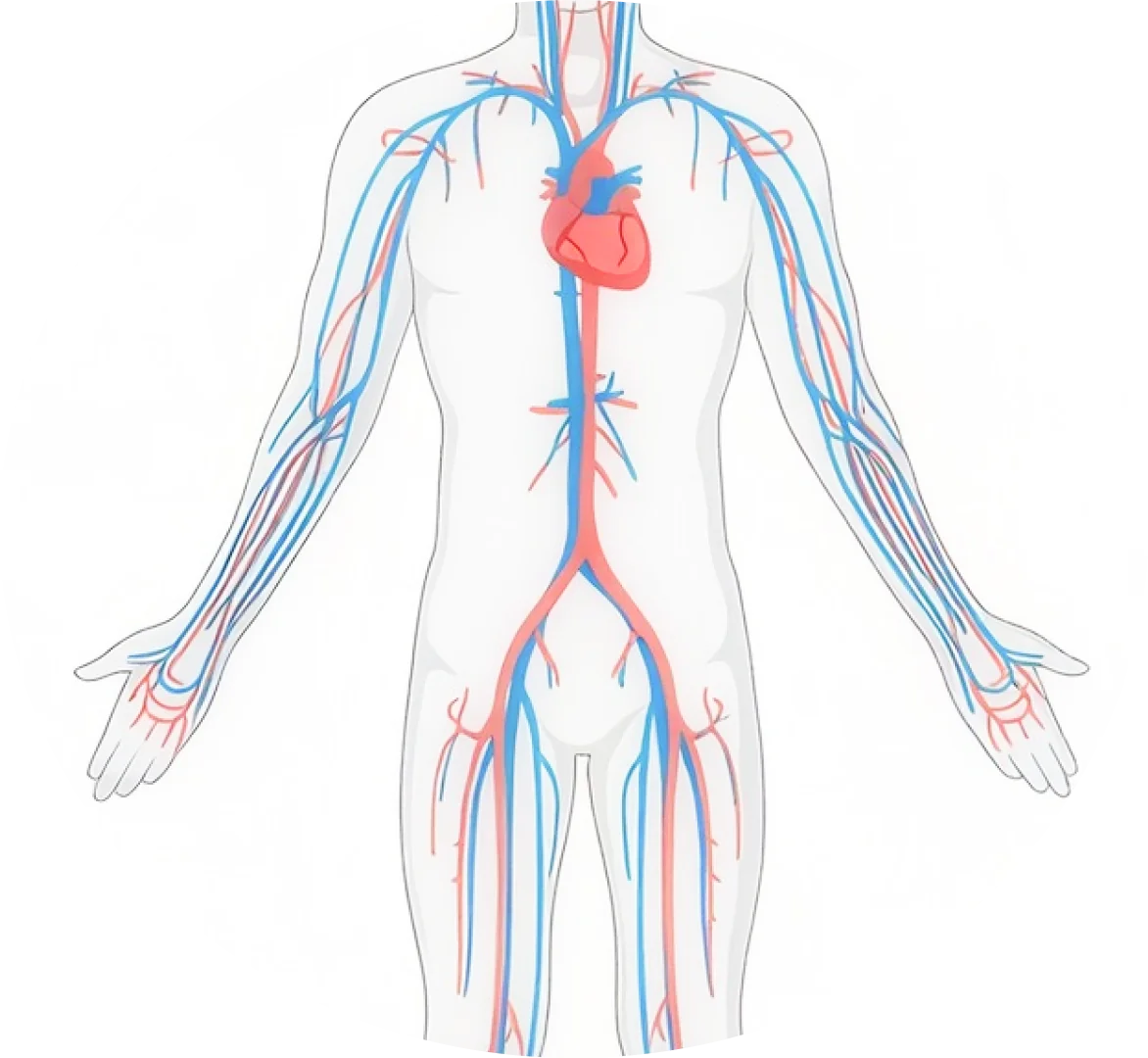

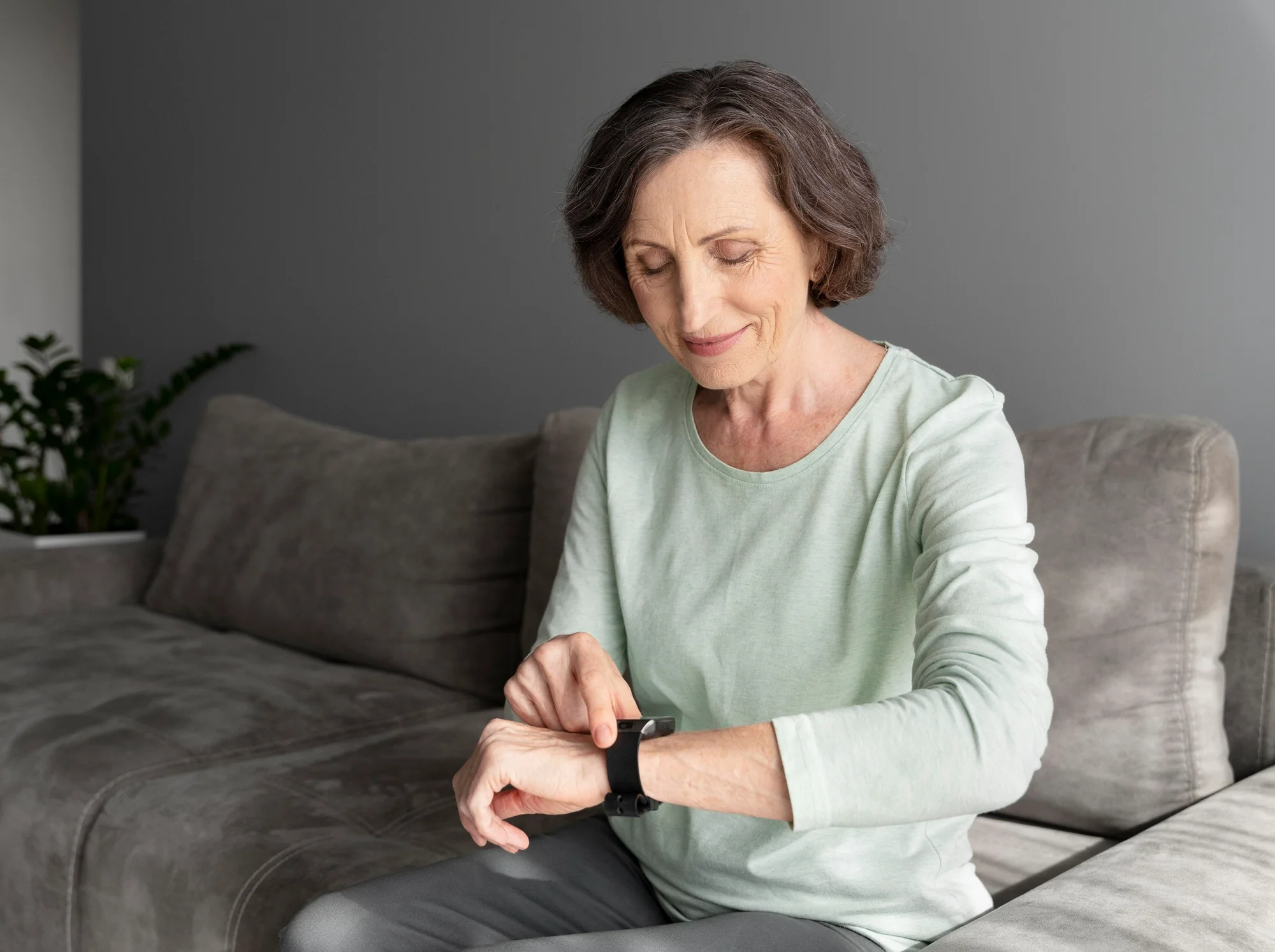

Personal setup
Before discharge, Coredio builds a personal model of the patient's heart in a few minutes.
Our ecosystem
A connected ecosystem that is rigorous for clinicians and simple for patients.










What clinicians say
Built for every step of heart failure care


“Coredio’s wearable-derived signals and physics-informed AI could help close the gap between hospital-based measurements and at-home heart failure monitoring, giving clinicians earlier visibility into patient physiology. FDA Breakthrough Device Designation reflects the clinical need this technology addresses.”
Dr. Jagmeet P. Singh, MGH
Mass General Brigham
Frequently asked questions




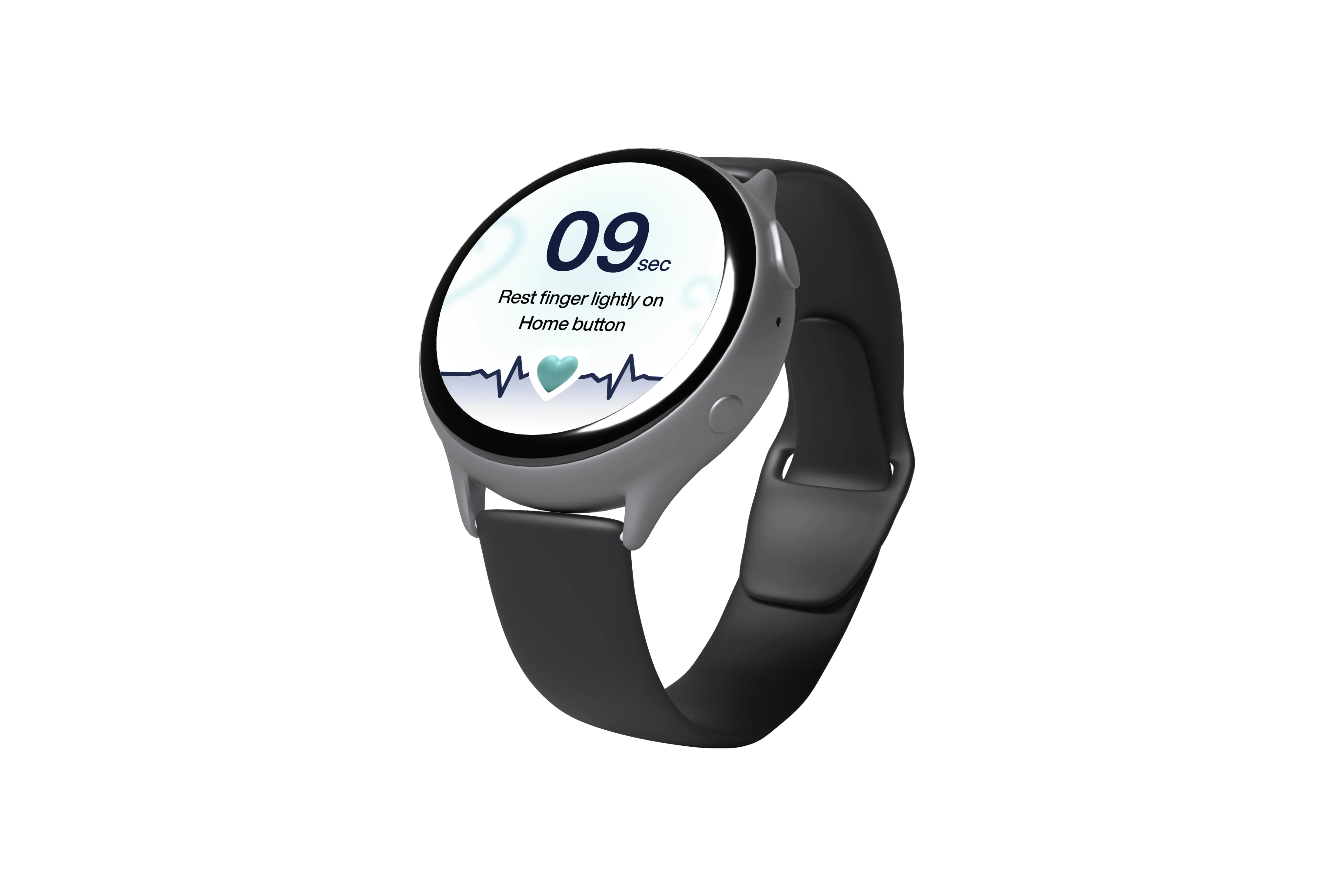
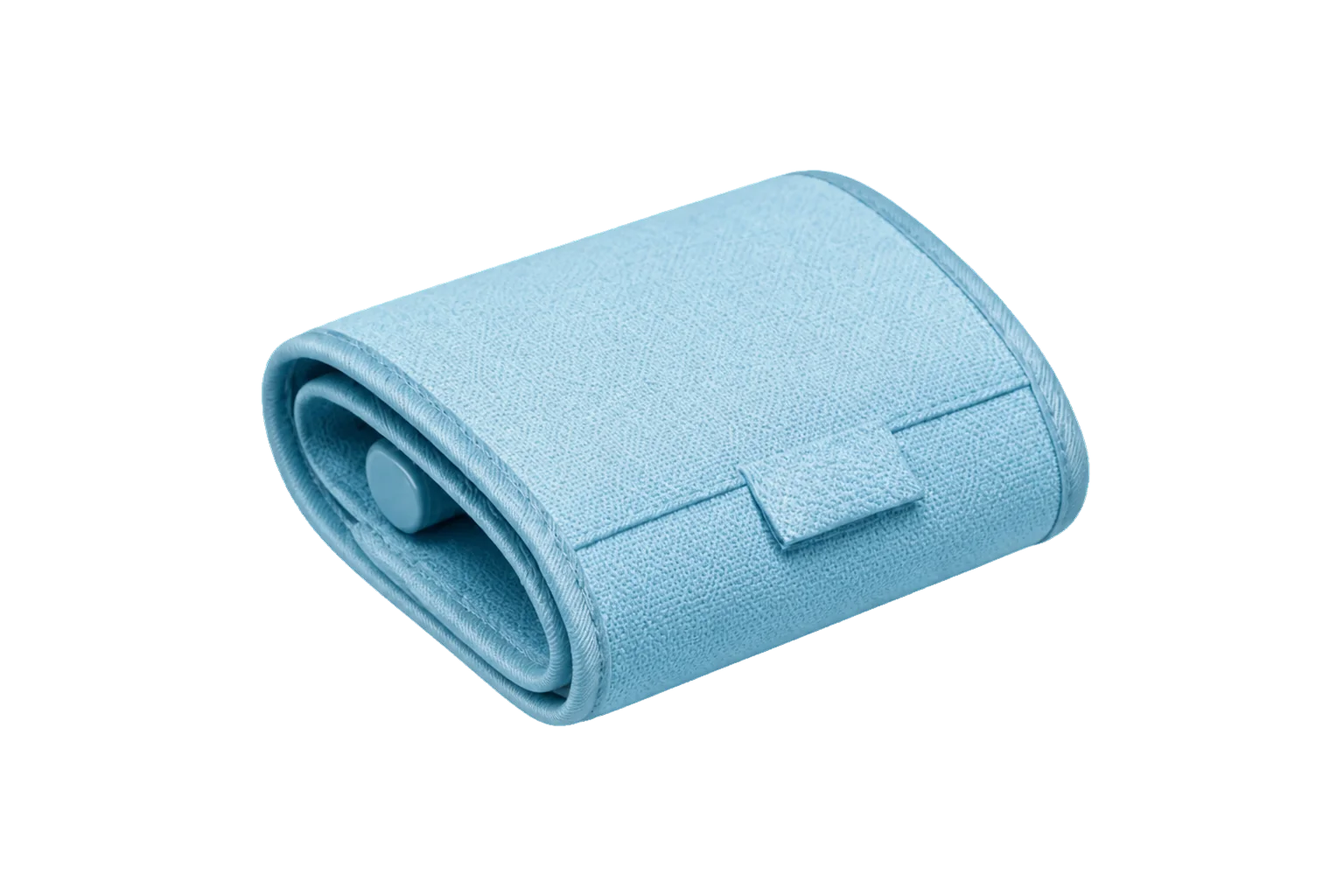
A compatible smartwatch and a blood pressure cuff. If you do not already have a watch, we provide one as part of the home setup.

Connect with the Coredio team
Join the clinicians exploring a better way to monitor heart failure
FDA | Disclaimer:
Coredio CPSE™ has received FDA Breakthrough Device Designation. The device is not yet cleared by the FDA for commercial use. Indications for Use are subject to FDA review under the 510(k) process.